
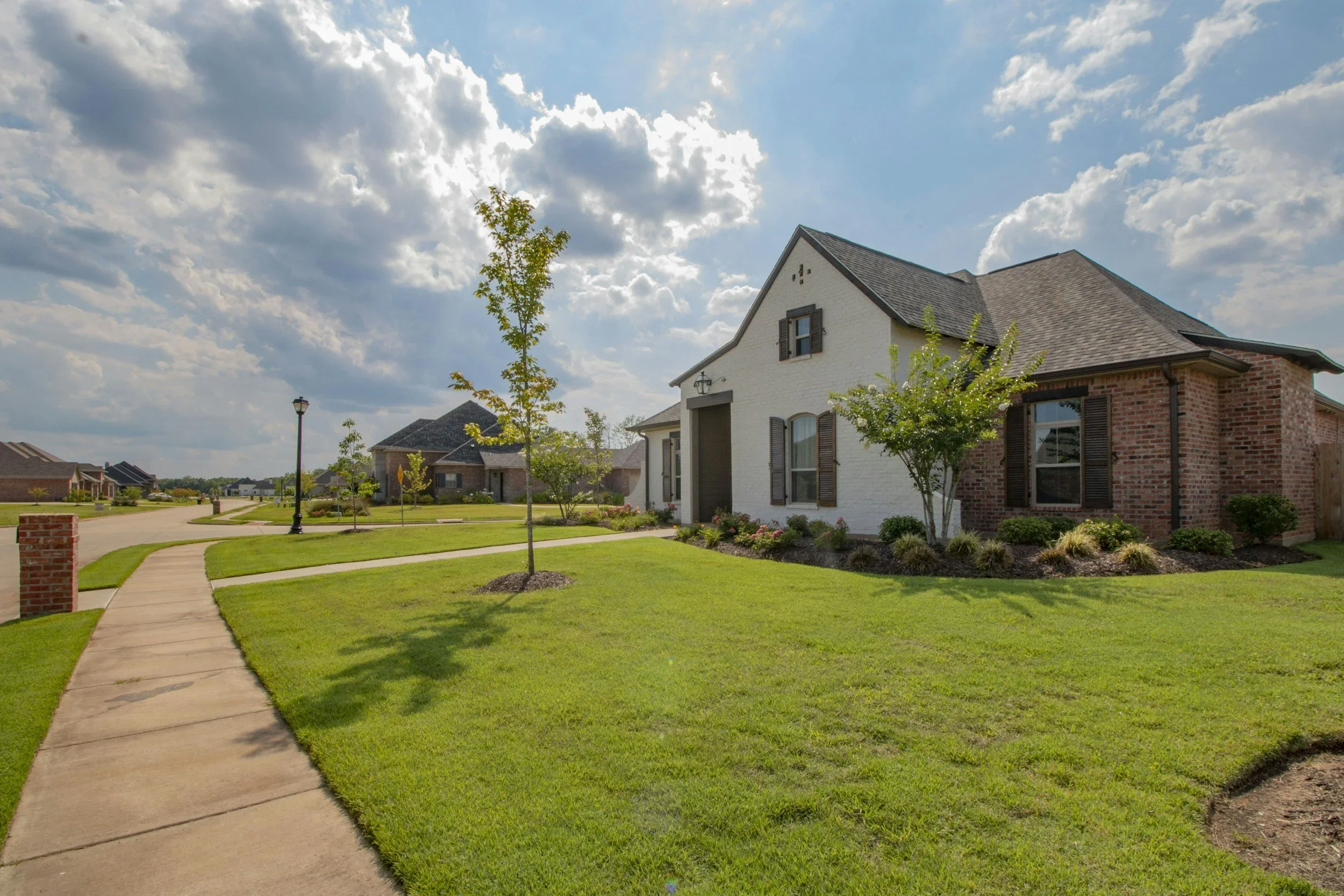
Expired Listing? Here's Why the Second Agent Makes All the Difference
Your first agent didn't sell your luxury home — here's why the second listing needs a completely different approach, and what to look for in the agent who takes it on.
If your luxury home just expired, there's a decision sitting in front of you that matters more than most sellers realize: who you list with next.
It's tempting to either go back to the same agent out of loyalty, or assume any agent with a good reputation can pick up where the last one left off. Neither is true. Here's why the second listing is a fundamentally different job than the first one — and what that means for who should be doing it.
The First Listing and the Second Listing Aren't the Same Job
When a home goes on the market for the first time, there's no baggage. Buyers see a fresh listing with no history attached. The second time around, that's gone. Buyers and agents alike can see the prior days-on-market, and in a transparent MLS environment, that history follows the home whether anyone mentions it out loud or not.
That means the second agent isn't just re-listing a house — they're repositioning one. The pricing strategy, the marketing, the photos, the story told about the home all have to account for the fact that buyers already passed on it once, consciously or not.
Why "The Same Approach, Just Try Harder" Doesn't Work
The most common mistake after an expired listing is relisting with a plan that looks almost identical to the one that already failed — same price range, same photos, same generic MLS description — just hoping different timing produces a different result.
It rarely does. If the market didn't respond the first time, doing the same thing again with more optimism isn't a strategy. It's what led to expiration in the first place.
What a True Expired Specialist Actually Does Differently
An agent who specializes in expired luxury listings starts from a different question than a general listing agent: not "how do I list this home," but "why didn't this home sell, and what has to change." That means:
A pricing review built on current data, not a repeat of the last CMA
New photography, staging, or presentation if that was part of the problem
A marketing plan that reaches buyers who weren't shown the home the first time — not just the same MLS syndication
An honest conversation about what buyers were actually saying, if that feedback exists
The Real Question to Ask Before Relisting
Before signing with anyone for round two, ask directly: what would you do differently than the last agent, and why? If the answer is vague, or sounds like a repeat of what already happened, that's a signal. A real expired-listing strategy should be specific to your home, your price point, and what actually went wrong the first time.
Ready for a Different Result This Time?
If your Central Florida luxury home recently expired, I'd like to hear what happened and walk you through what a different approach would actually look like — no pressure, just an honest conversation about your options. Contact Corinne DeFilippis.

The Central Florida Luxury Market in 2026: What Sellers Need to Know
If you're thinking about selling a luxury home in Central Florida this year, the market you're entering isn't the one from 2021 or 2022 and it isn't the one from last year either. Here's what's actually happening, and what it means for your strategy if you're serious about selling.
If you're thinking about selling a luxury home in Central Florida this year, the market you're entering isn't the one from 2021 or 2022 and it isn't the one from last year either. Here's what's actually happening, and what it means for your strategy if you're serious about selling.
Inventory Is Up, But It's Not a Buyer's Market
Luxury inventory across Florida has risen roughly 10% year-over-year, giving buyers more to choose from than they've had in recent years. That shift has real consequences — sellers can no longer count on scarcity alone to drive urgency the way they could a few years ago.
But "more inventory" doesn't mean "weak demand." In many prime Central Florida communities, well-priced, well-presented luxury homes are still moving and in some markets, luxury has actually outpaced overall sales growth. The shift isn't toward a buyer's market. It's toward a market that rewards a real strategy over just being for sale.
Days on Market Are Stretching
Statewide, homes are taking longer to sell than they were a year or two ago, and the luxury segment isn't immune. That's exactly why the first few weeks on the market matter more than ever — a slow start used to be forgivable when everything sold fast anyway. It isn't anymore. A home that doesn't get traction early is now more likely to sit, and sitting is what leads to expiration.
Buyers Are More Data-Driven and Less Emotional
Today's luxury buyer has seen more listings, more price history, and more market data than buyers a few years ago. They're less likely to fall in love and overpay, and more likely to walk away the moment a price feels disconnected from what similar homes are actually closing for. Pricing based on what a home "should" be worth, rather than what the current data supports, is one of the fastest ways to stall a listing in this market.
What's Still Working in Sellers' Favor
It's not all buyer leverage. Desirable, move-in-ready homes in strong school zones, gated communities, and lifestyle-driven areas — golf, waterfront, new construction — are still commanding real demand. Cash buyers and relocating buyers, including a steady flow of out-of-state and international interest, continue to be active in Central Florida's luxury segment specifically.
What This Means If You're Selling in 2026
Price to the current market, not to last year's comps or what a neighbor's home sold for two years ago
Treat the first two to three weeks on market as the most important window you'll get
Invest in presentation and marketing that matches your price point — buyers are comparing your listing to others with real data in hand
If your home already expired once, understand that repositioning it now requires a different approach than simply relisting
Thinking About Listing This Year?
Whether you're preparing to list for the first time or considering relisting after an expired listing, I'd be glad to walk you through exactly where your home fits in today's Central Florida luxury market. Contact Corinne DeFilippis.
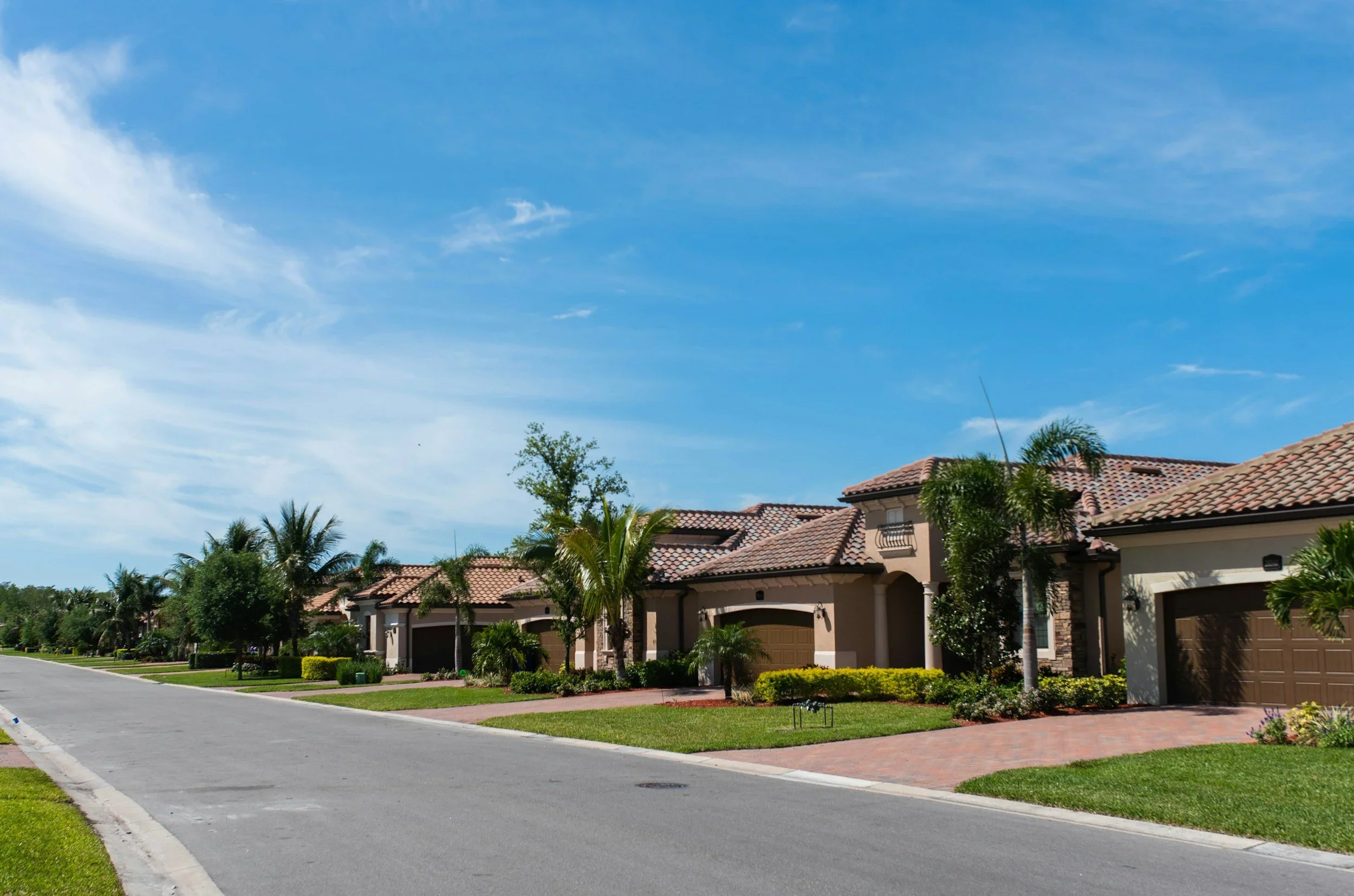
Why We're Leaning Into Luxury Listings This Season
Luxury doesn't sell faster. It sells differently.
I get asked why I lean into luxury listings when the buyer pool is smaller. That's exactly why.
In most of Central Florida, a well-priced home sells because the market is moving. Volume does the work. At the upper price points, that's not true. A buyer at $1.2M will wait. They'll fly back in three months. They'll compare Windermere to Winter Park to Golden Oak and take their time.
So the seller who wins isn't the one who listed first. It's the one whose home is positioned as the obvious answer.
Why We're Leaning Into Luxury Listings This Season
I get asked a version of this question almost every week: "Why luxury? Isn't that a smaller pool of buyers?"
Yes. It is. And that's exactly the point.
I want to walk you through how I actually think about this — not as a marketing angle, but as a business decision I've made deliberately for my sellers here in Central Florida. Because the logic behind it is the same logic that should drive how you price and market your home, whether it's $400,000 or $4 million.
The luxury market is a different animal, and it rewards different behavior
Most of the Central Florida market moves on volume. A well-priced home in a Davenport or Kissimmee community with strong demand doesn't need much strategy — it needs to be priced right, photographed well, and put in front of the right buyers quickly. The market does the rest.
Luxury doesn't work that way.
At the upper price points, you're not competing on availability. You're competing on positioning. A buyer at $1.2 million is not going to settle for a house that's close enough because it's the only thing on the market this weekend. They will wait. They will fly back in three months. They will look at a home in Windermere, one in Winter Park, and one in Golden Oak and take their time comparing all three.
That means the seller who wins is the seller whose home is presented, priced, and marketed as the obvious answer — not the seller who happened to list first.
What that actually changes about how a home gets sold
When I take a luxury listing, the work front-loads. Here's what that looks like in practice:
Pricing takes longer and requires more judgment. In a tract community, I can pull ten comps that are functionally identical and land on a number with confidence. In luxury, I might have three comps, none of them a perfect match, and I have to make defensible adjustments for lot position, water frontage, finish level, and view. That's not guesswork — it's a process — but it takes real time and I won't rush it.
Photography and media are non-negotiable. Drone, twilight, floor plans, and in many cases video. At this price point, the buyer's first showing happens on their phone from another state. If the media doesn't hold up, there's no second showing.
The buyer pool has to be reached directly. Luxury buyers are frequently not sitting on Zillow alerts. They're working with an agent, or they're relocating on a corporate timeline, or they're an investor who buys through relationships. Reaching them means agent-to-agent outreach and targeted distribution, not just an MLS input and a prayer.
Time on market carries more weight. A luxury home that sits gets read as a problem, fairly or not. Which is why the launch has to be right the first time.
The expired-listing connection
Here's where this ties directly into what I do most.
A significant share of the luxury homes I work with are homes that were already listed and didn't sell. Not because there was anything wrong with the home. Not because the seller made a bad call. Usually because the strategy was built for a volume market and applied to a market that doesn't behave that way.
The home was priced against the wrong comps. Or it launched with photography that was fine for a $350,000 townhome and invisible at $1.1 million. Or it was marketed passively in a segment where passive marketing does nothing.
Those are fixable. All of them. But you can't fix them by relisting the same package and hoping the market changes.
What this means for you
If you own a higher-priced home in Central Florida and you're thinking about selling this season, the takeaway is this: the plan matters more than the timing. People spend a lot of energy trying to guess the perfect week to list. I'd rather spend that energy making sure that when we do go live, the home is positioned so precisely that the right buyer recognizes it immediately.
That's the whole strategy. It's not complicated. It's just deliberate.
And if your home has already been on the market once and it didn't sell — that's not a closed door. That's information. It tells me a lot about what to do differently.
Let's talk
Book a call with me and I'll walk you through exactly what your luxury listing strategy would look like — the pricing approach, the media plan, and how we'd reach the buyers who are actually in the market for your home. If your home was listed before and didn't sell, bring that up on the call. It's the most useful hour we can spend.
Leave a review / follow along: If we've worked together, I'd be grateful if you'd leave a quick Google review — it genuinely helps other Central Florida sellers find me. And follow my Google Business Profile for new listings, price updates, and market notes as they happen.

What's the Difference Between Pre-Approved and Pre-Qualified?
Pre-qualified and pre-approved are not the same thing, and the difference can cost you a house.
Pre-qualified: you tell a lender your income and debts, they run a calculator, you get a number. Nothing is verified.
Pre-approved: you submit pay stubs, W-2s, and bank statements. The lender pulls credit and an underwriter reviews the file. That letter means something.
When two offers come in at the same price, the listing agent is asking which one actually closes. Verified documentation wins.
Get pre-approved before you tour a single home and keep your finances steady until closing. No new cars, no new credit cards.
Book a call and I'll tell you exactly what to have in place before you start looking.
I've watched buyers lose houses over this. Not over money, not over credit, over walking into a negotiation with the wrong piece of paper.
So let's clear it up, because the two words sound almost identical and they are not remotely the same thing.
Pre-qualified means someone did math on what you told them.
You call a lender, or fill out a form online. You tell them your income, roughly what you have in savings, roughly what you owe. They run that through a calculator and hand you a number.
Nobody verified anything. Nobody pulled a document. In many cases nobody even pulled your credit — and if they did, it was often a soft pull. It's an estimate built on self-reported information, and it takes about fifteen minutes.
That's not worthless. If you're eight months out from buying and you want a ballpark for budgeting, a pre-qualification is a perfectly good starting point. It tells you whether you're shopping at $350,000 or $650,000. It gets you thinking.
But it is not a commitment from anybody.
Pre-approved means a lender verified the file.
Here you're submitting actual documents. Pay stubs. W-2s or tax returns. Bank statements. Employment verification. The lender pulls your credit — a hard pull — and an underwriter or automated underwriting system reviews the file and issues a conditional approval up to a specific loan amount.
It takes longer. It requires you to actually gather paperwork. And it produces a letter that means something, because a lender has looked at real documentation and said, in writing, that they're prepared to lend.
Why this matters more than buyers expect.
When I present an offer on behalf of a buyer, the listing agent is evaluating two things at once: the price, and the likelihood this deal actually closes. A pre-approval letter is a direct answer to the second question.
Now put yourself on the other side. You're a seller. Two offers come in at the same number. One buyer has a pre-approval with verified documentation. The other has a pre-qualification generated from a web form.
That's not a close call. And in a multiple-offer situation, the pre-qualified buyer often doesn't even get a counter. They just get passed over, and they never find out why.
The other risk is the one nobody talks about: a pre-qualification can fall apart. A buyer estimates their income high, forgets about a car loan, or doesn't realize their credit score dropped. The number they were "approved" for turns out to be a number they can't get. Now they're under contract, the clock is running, and the financing won't come together. That's a hard place to be and it's completely avoidable.
There's a third tier worth knowing about.
Some lenders offer full underwriting approval — sometimes called an underwritten pre-approval or a credit approval. Your entire file goes through underwriting before you find a property. The only remaining conditions are the property itself: appraisal, title, insurance.
That's the strongest position a financed buyer can be in. It doesn't make you a cash buyer, but it gets you meaningfully closer, and in a competitive situation it can beat a higher offer. If you're shopping in a segment where you expect competition, ask your lender whether they offer it.
What I tell my buyers to do.
Get pre-approved before you tour a single home. Not because I'm rushing you — because touring homes you can't finance is how people get their hearts broken.
Bring the paperwork before you start looking: last two pay stubs, last two years of W-2s or returns, last two months of bank statements, ID. Have it in a folder. It shortens the whole process.
Talk to more than one lender. Rates, fees, and program options genuinely differ, and the comparison is worth your time.
And keep your financial life boring between pre-approval and closing. Don't finance a car. Don't open a credit card. Don't move large sums between accounts without documenting where they came from. Your lender re-verifies before closing, and surprises at that stage cause delays.
The paperwork isn't the exciting part of buying a home. But it's the part that determines whether your offer gets taken seriously.
Book a call and I'll walk you through exactly what to get in place before you start touring — and connect you with lenders who move fast in Central Florida. Fifteen minutes now saves you weeks later.
Worked with me before? A Google review helps other Central Florida buyers and sellers know what to expect — you can leave one here: GOOGLE REVIEW. And if you'd like new listings and market updates as they happen, follow my Google Business Profile.
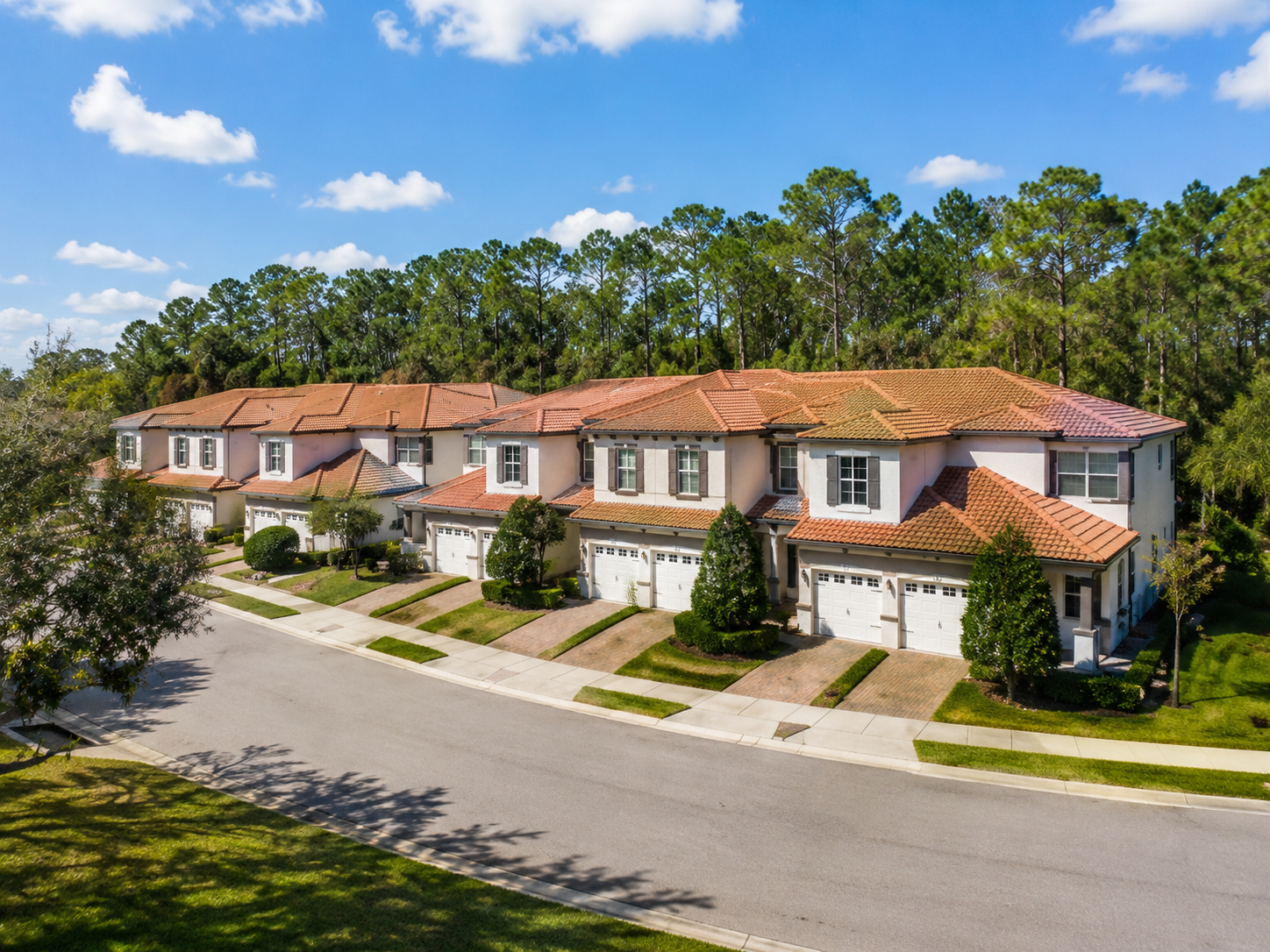
A Turnkey Vacation Rental Minutes From Disney: 8193 Roseville Blvd
Steps from Disney, this turnkey vacation rental at 8193 Roseville Blvd comes fully furnished and ready to earn from day one.
Some townhomes could work as a short-term rental. 8193 Roseville Blvd already is one — fully furnished, turnkey, and sold with future bookings already in place. For an investor, that's the difference between buying a house and buying a running business.
Set inside Fountains at ChampionsGate, a smaller, private gated community with a clubhouse, fitness center, pool, and heated spa, the home sits minutes from Disney, with shopping, dining, and golf all close by — exactly the kind of location vacation renters search for. Three bedrooms and two and a half bathrooms fill just over 1,600 square feet, including Disney-themed bedrooms that give the home a built-in draw for family bookings, plus a covered patio with a private grill for guests to unwind after a day at the parks. No minimum lease period means the flexibility to rent it out short-term without restriction.
At $290,000, with $10,000 offered toward buyer's closing costs, it's priced to make the numbers work for an investment purchase from day one.
See what past clients are saying — read Corinne's Google reviews.

A Weekend Guide to Orlando Beyond the Theme Parks
Every relocating buyer asks me what people actually do here when they're not at Disney. Here's the Orlando I show them — lakes, springs, walkable pockets, food corridors — and why your Saturday should shape your home search.
I've had this conversation more times than I can count. A buyer relocating from out of state asks me, half-joking, "So what do people actually do here when they're not at Disney?"
Fair question. And the answer matters more than it sounds, because how you spend your Saturday is a real input into where you should buy. I've watched people pick a house for the kitchen and then spend two years driving forty minutes every weekend to get to the thing they actually love.
So here's the version of Orlando I show people, and how I'd think about it as a buyer.
The lakes are the actual defining feature
Central Florida has an enormous number of lakes, and they shape daily life here far more than the parks do. Winter Park's chain of lakes, the lakes threaded through Windermere and the Butler Chain, Lake Eola sitting right in downtown, they're where people run, paddle, fish, and sit on a Sunday.
If water is part of how you want to live, say that out loud early in a home search. Waterfront, water view, water access, and "a lake five minutes away" are four completely different price points and four different searches. A lot of buyers use the word "lake" and mean the fourth one, which is good news for their budget if we identify it early.
Downtown, Winter Park, and the walkable pockets
Orlando's walkable neighborhoods are smaller and more scattered than in an older Northeastern city, but they exist, and they have real character.
Winter Park's Park Avenue is the obvious one — brick streets, independent shops, restaurants, the museums. Thornton Park and the Milk District downtown each have their own personality. College Park has a genuine main street.
The thing to understand as a buyer: walkability in Central Florida is hyperlocal. It doesn't come by ZIP code or by city — it comes by the three or four blocks you're actually on. Two homes a mile apart can have completely different lifestyles. This is one of the few things I really push people to test in person before writing an offer, at the hour of day they'd actually be out.
Springs, trails, and the drive-an-hour version of a weekend
Some of the best Central Florida weekends happen forty-five minutes outside it. The natural springs north and west of Orlando run cool year-round and are genuinely a different world. The West Orange Trail is a long paved corridor that people bike and run for miles. There's kayaking, hiking, and a whole rural side of Lake County that most visitors never see.
I bring this up on buyer calls because it changes the map. If your ideal weekend is springs and trails, being on the west or north side of the metro buys you real time back every single week. If your ideal weekend is dinner on Park Ave, that pulls you a different direction entirely.
Food, markets, and the everyday stuff
Orlando's food scene is better and more varied than its reputation, and it's concentrated in specific corridors rather than spread evenly. Mills 50 for Vietnamese and Thai. The Milk District and Audubon Park for the independent restaurant and brewery cluster. There are weekend farmers markets across the metro — Winter Park's and Lake Eola's are the two most people know.
Small thing that matters more than buyers expect: your regular grocery store, your coffee shop, and your gym are the places you'll actually go 300 times a year. When I tour homes with clients, I pay attention to those the same way I pay attention to the roof.
Sports and the rest of it
The Magic downtown, Orlando City and the Pride, and a genuinely serious youth and club sports scene that shapes a lot of family calendars around here. If that's your life, the fields your kids will play on should be part of the home search conversation, not a discovery you make in month three.
How I'd actually use this
Before you get attached to a house, map your real week. Where do you work, where do your kids go, and where do you spend Saturday? Then look at what's within twenty minutes of that.
I'd rather have that conversation with you before we're touring homes than after. It's the difference between a house that fits and a house that just photographed well.
If you're thinking about buying or selling anywhere in Central Florida or you're relocating and still trying to figure out which side of town you belong on. I'd be glad to talk it through with you. No pressure, no pitch. Just tell me what your ideal Saturday looks like and I'll tell you where to be looking.
Already worked with me? A Google review helps other Central Florida buyers and sellers find someone they can trust. You can leave one here: GOOGLE REVIEW. And follow my Google Business Profile for new listings and Central Florida market updates as they post.
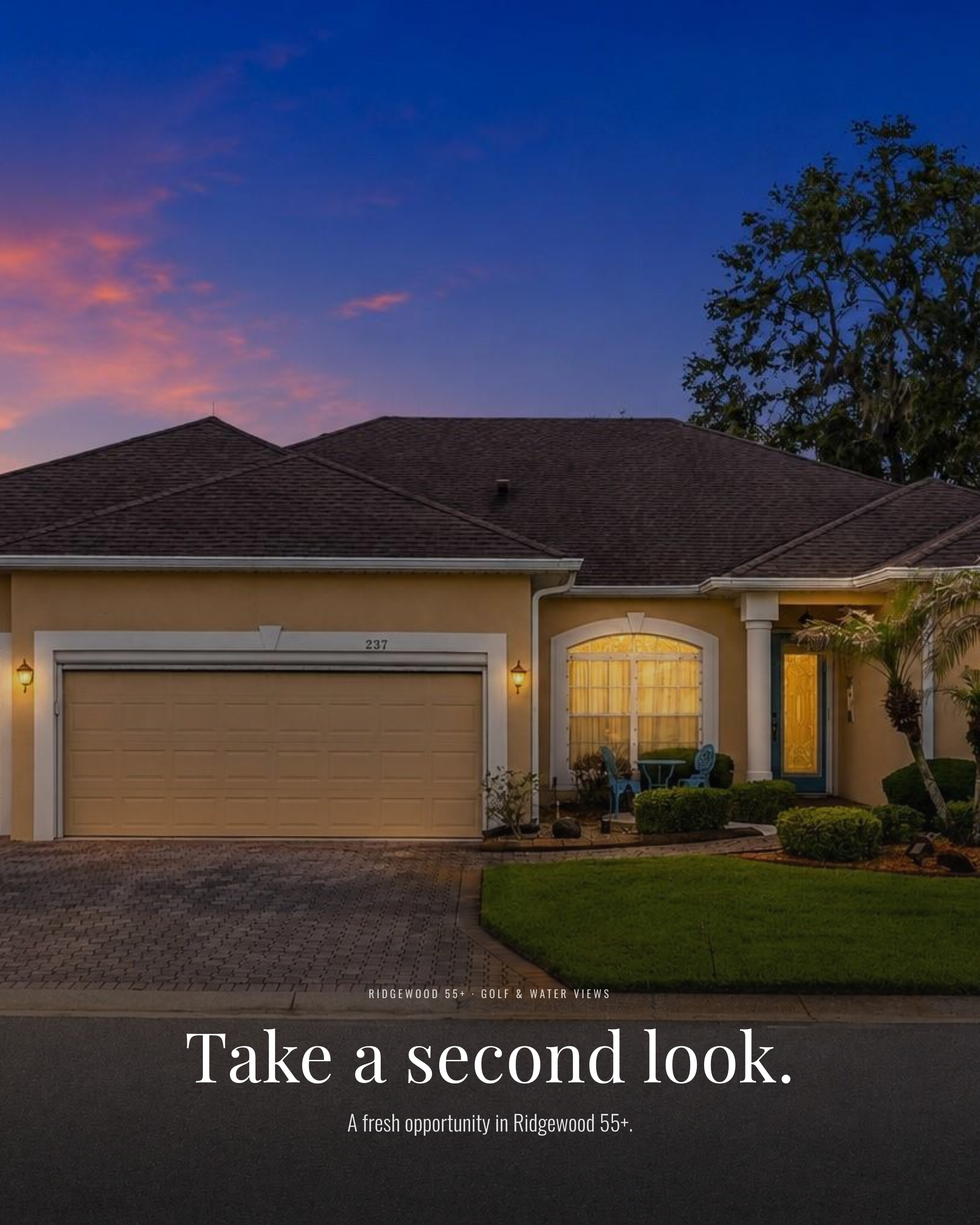
Inside 237 Golf Vista Dr: A Golf and Water View Even This Community Doesn't See Often
A rare golf and water view awaits at 237 Golf Vista Dr — see what makes this Central Florida home stand out
237 Golf Vista Dr sits inside High Vista at Ridgewood Lakes, a gated 55+ golf community in Davenport, overlooking the 16th hole of the Heron Golf Club. What sets this one apart isn't just the location — it's the view. Unobstructed sightlines of both the golf course and the water, a combination that's genuinely rare at this size in the community.
Then there's the Casita: a private, sun-drenched 400 sq ft enclosed room wrapped in that same panoramic view, separate from the main 3-bedroom, 3-bathroom, 2,611 sq ft home. It's the kind of space that turns a morning coffee into a ritual, not an afterthought.
The big-ticket items are already handled — new AC and water heater in 2025, a 2018 roof, and the sunroom enclosure done in 2015 — and the home comes fully furnished and turnkey. HOA dues cover cable, internet, and lawn care, plus access to the pool, spa, fitness center, and courts. It's priced at $384,900.
Contact Corinne DeFilippis to schedule a private tour of 237 Golf Vista Dr.
See what past clients are saying — read Corinne's Google reviews.

The Top 5 Reasons Your $500K+ Home Didn't Sell.What to Do Now?
If your luxury home sat on the market and didn't sell, you're not alone and it's not your home's fault. In Central Florida, even beautiful, well-maintained homes in the $500K+ range expire every single week. The good news? Every one of those reasons is fixable.
Here's what's really going on and what to do about it.
1. It Was Priced for the Wrong Market
Pricing a luxury home isn't like pricing a standard home. There are fewer comparable sales, buyers are more sophisticated, and being even 5–10% over market value can cause your listing to sit for months and eventually expire.
The fix: You need a hyper-local pricing strategy built around actual sold data, not Zestimate estimates or what your neighbor got two years ago. A true luxury market analysis looks at price per square foot, days on market trends, and active competition right now.
2. The Marketing Didn't Match the Price Point
A $600,000 home deserves more than 15 cell phone photos and a paragraph description. If your listing didn't include professional photography, a video walkthrough, 3D tour, and targeted digital marketing — buyers at that level simply moved on.
The fix: Luxury buyers shop differently. They scroll Instagram, they watch YouTube walkthroughs, and they expect a premium experience before they ever schedule a showing. Your marketing has to meet them where they are.
3. The Wrong Agent Was in the Wrong Market
Not every agent knows how to sell luxury. Many are generalists who take any listing they can get. If your agent didn't have a specific strategy for your price point, your neighborhood, and your type of buyer — you were already behind.
The fix: Work with someone who specializes in your market segment and can show you exactly how they've sold homes like yours — not just homes in general.
4. The Home Wasn't Staged to Sell
Buyers of $500K+ homes have high expectations. If your home was occupied, cluttered, or showed personal taste that didn't translate broadly — buyers struggled to see themselves living there. First impressions happen in seconds.
The fix: Professional staging — even partial staging — can dramatically change how a home photographs and how it feels in person. It's one of the highest-ROI investments a seller can make.
5. The Listing Lost Momentum and Never Recovered
The first two weeks on the market are everything. If a home doesn't get traction early, buyers start to wonder what's wrong with it. The longer it sits, the more negotiating power shifts to the buyer — and eventually the listing just goes stale.
The fix: A relaunched listing with a fresh strategy, updated marketing, and the right price can completely reset buyer perception. It happens all the time — but only when the approach actually changes.
Your Home Didn't Fail. The Strategy Did.
An expired listing isn't a verdict on your home — it's feedback on what needs to change. With the right pricing, marketing, and representation, homes like yours sell every day in Central Florida.
If your listing expired and you're ready to try again the right way, let's talk. Corinne DeFilippis specializes in exactly this turning expired luxury listings into sold ones.
Why Luxury Homes Expire in Central Florida (And How to Fix It)
Is your luxury home sitting on the market in Central Florida? Learn the top reasons why luxury listings expire and how expired listing specialist Corinne DeFilippis gets them sold.
If your luxury home in Central Florida just came off the market unsold, you are not alone — and it is not a reflection of your home's value.
Every year, hundreds of high-end homes across Orlando, Windermere, Winter Park, Dr. Phillips, and surrounding communities expire without selling. It happens to stunning properties. It happens to motivated sellers. And in most cases, it has nothing to do with the home itself.
The real reason? Strategy. Or more specifically, the wrong strategy.
As Central Florida's expired luxury listing specialist, I have helped dozens of sellers relist, reposition, and finally close on homes that sat on the market for months with another agent. Here is what I see time and time again.
1. The Home Was Priced for Emotion, Not the Market
Luxury sellers are often emotionally connected to their home — and rightfully so. But emotion-based pricing is one of the top reasons high-end listings expire.
In the $1M+ market, buyers are sophisticated. They have seen dozens of homes, they have data, and they walk away the moment a price feels inflated — even slightly.
A proper luxury pricing strategy goes beyond a simple CMA. It requires understanding off-market sales, current buyer demand, and how your home's unique features compare to what is actively competing for the same buyer.
2. The Marketing Did Not Match the Price Point
A $1.5 million home deserves $1.5 million-level marketing. Yet many luxury listings get the same basic package as a $300,000 starter home — a few MLS photos, a Zillow listing, and an open house weekend.
Luxury buyers are not browsing Zillow the same way first-time buyers are. They are being reached through targeted digital campaigns, luxury real estate networks, international buyer platforms, and high-end print and social media exposure.
If your previous listing did not include professional photography, drone footage, a dedicated property website, and a targeted paid marketing strategy — that is a major reason it did not sell.
3. The Agent Did Not Specialize in Luxury Expired Listings
Selling a home that previously expired is a very specific skill. It requires resetting buyer perception, repositioning the property in the market, and crafting a strategy that addresses why it did not sell the first time.
Most agents do not specialize in this. They take the listing, repeat the same approach, and hope for a different result.
Working with a specialist who focuses exclusively on expired luxury listings means you get a plan built around your specific situation — not a recycled version of what already failed.
4. The Timing and Presentation Were Not Optimized
Central Florida's luxury market has seasonal patterns. International buyers, snowbirds, and corporate relocations all move on different timelines. If your home hit the market at the wrong time — or without proper staging and preparation — it may have missed its best window entirely.
Relisting is not just about putting it back on the MLS. It is about resetting the clock, refreshing the presentation, and re-entering the market at exactly the right moment with exactly the right positioning.
What Happens After an Expiration
Here is the good news: an expired listing is not a dead listing. It is an opportunity.
When a luxury home expires, it means the market has given you real feedback. Price adjustments, presentation upgrades, or a new marketing strategy can completely change the outcome.
The sellers I work with who were frustrated after months on the market are often the same sellers closing quickly after a strategic relaunch — sometimes at or above the original asking price.
Ready to Talk About Your Home?
If your luxury home recently expired or you are concerned it is heading in that direction, I would love to have a conversation. No pressure, no pitch — just an honest look at what happened and what could be done differently.
I specialize in exactly this situation, and I work exclusively in Central Florida's luxury market. Contact Corinne DeFilippis
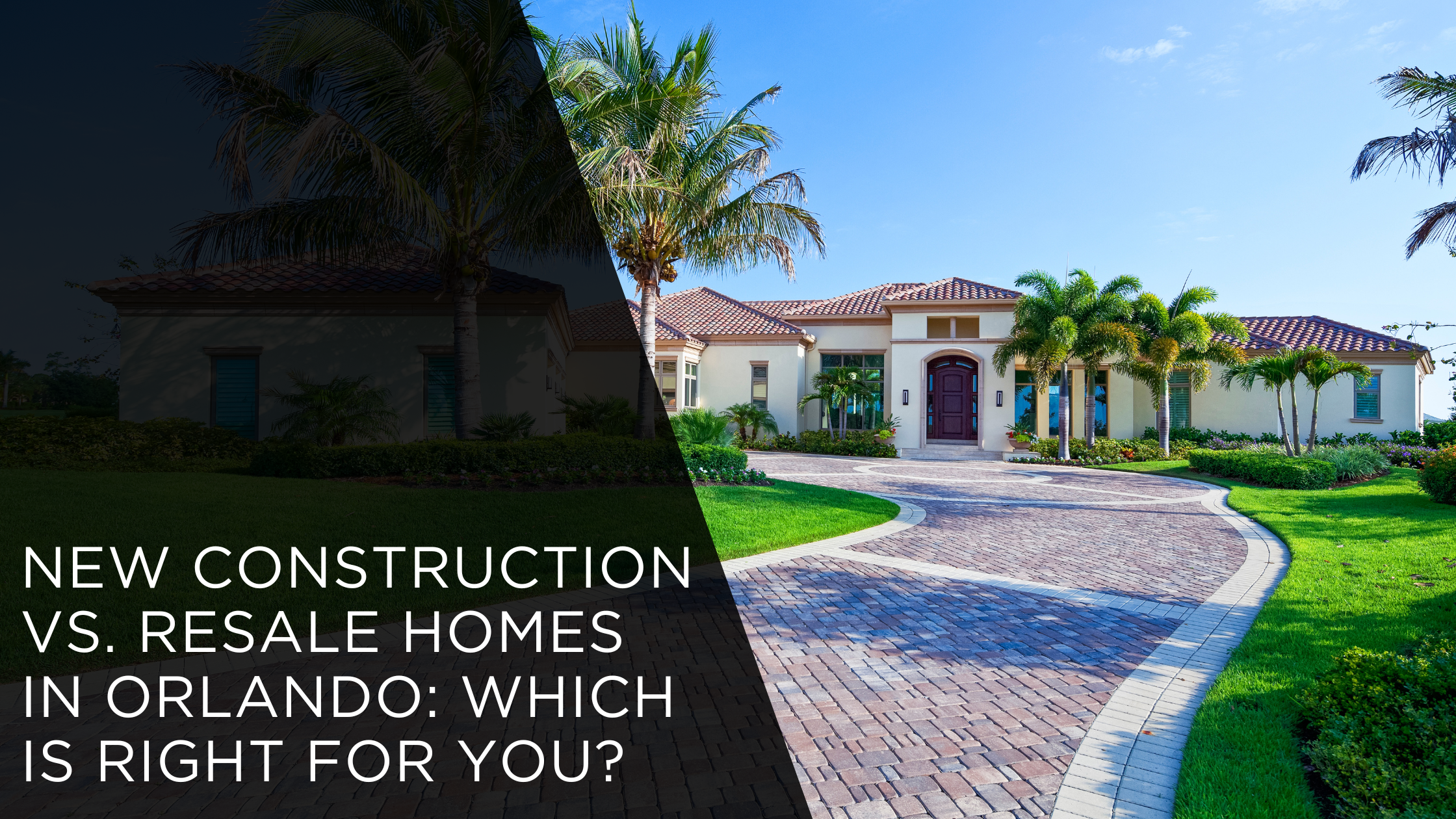
New Construction vs. Resale Homes in Orlando: Which is Right for You?
Deciding between new construction and a resale home in Orlando can be challenging. This guide from Be Infinite Group breaks down the key benefits of each option, from modern features, energy efficiency, and customization opportunities in new builds to the charm, established neighborhoods, and negotiation potential of resale homes. Learn what factors to consider, including budget, timeline, lifestyle needs, and long-term value, to make the right choice for your dream home in Orlando.
When it comes to buying a home in Orlando, deciding between new construction and a resale home can be overwhelming. Each option offers unique benefits, from modern amenities and energy-efficient features in newly built homes to established neighborhoods and character-filled resale properties. At Be Infinite Group, we help Orlando homebuyers navigate the local real estate market, weighing the pros and cons of new builds versus existing homes to find the perfect fit for your lifestyle, budget, and long-term investment goals.
Advantages of Buying New Construction in Orlando
1. Modern Features and Energy Efficiency
Newly built homes often come with the latest technology, smart home features, and energy-efficient appliances. From tankless water heaters to smart thermostats, these features can save you money and make day-to-day living more convenient.
2. Customization Opportunities
When buying a new construction home, you may have the chance to select finishes, flooring, cabinetry, and even layout options, depending on the builder. This is perfect if you want a home that reflects your personal style from the start.
3. Lower Maintenance Costs
Everything in a new home is brand new: roof, HVAC, plumbing, and electrical systems, which reduces the likelihood of major repairs in the first few years. Many builders also provide warranties for peace of mind.
4. Modern Communities and Amenities
New developments in Orlando, such as Olsen Cove, often feature modern amenities like clubhouses, pools, and walking trails. Plus, the neighborhoods are typically designed with accessibility and safety in mind.
Advantages of Buying a Resale Home in Orlando
1. Established Neighborhoods
Resale homes are often located in mature neighborhoods with established landscaping, trees, and local infrastructure. Schools, shopping, and dining options are already in place, making it easier to know what you’re getting into.
2. Character and Charm
Older homes often have unique architecture, larger lots, or charming details that are hard to replicate in new construction. If character and a sense of history matter to you, resale may be the way to go.
3. Potential for Negotiation
Unlike new construction, where pricing is often fixed, resale homes can offer room for negotiation on price, closing costs, or other incentives. This flexibility can help buyers get more value for their investment.
4. Immediate Availability
Resale homes are move-in ready, which is ideal if you’re on a tighter timeline. You won’t have to wait months for construction to finish or deal with potential delays.
Considerations When Making Your Choice
•Budget: New construction often comes with higher upfront costs, while resale homes may require renovations or updates.
•Timeline: Are you ready to move in immediately, or can you wait for a home to be built?
•Lifestyle Needs: Do you value modern amenities and low maintenance, or charm and established surroundings?
•Resale Value: Both options can appreciate over time, but location, community, and upgrades will impact long-term value.
Final Thoughts
There’s no one-size-fits-all answer when deciding between new construction and a resale home in Orlando. Your choice will depend on your budget, lifestyle, and long-term goals. Working with an experienced Orlando real estate team, like Be Infinite Group, can help you weigh the pros and cons, explore neighborhoods, and find the home that fits your needs perfectly. Ready to find your dream home in Orlando? Contact Be Infinite Group today and let our expert team guide you through every step of your home-buying journey!
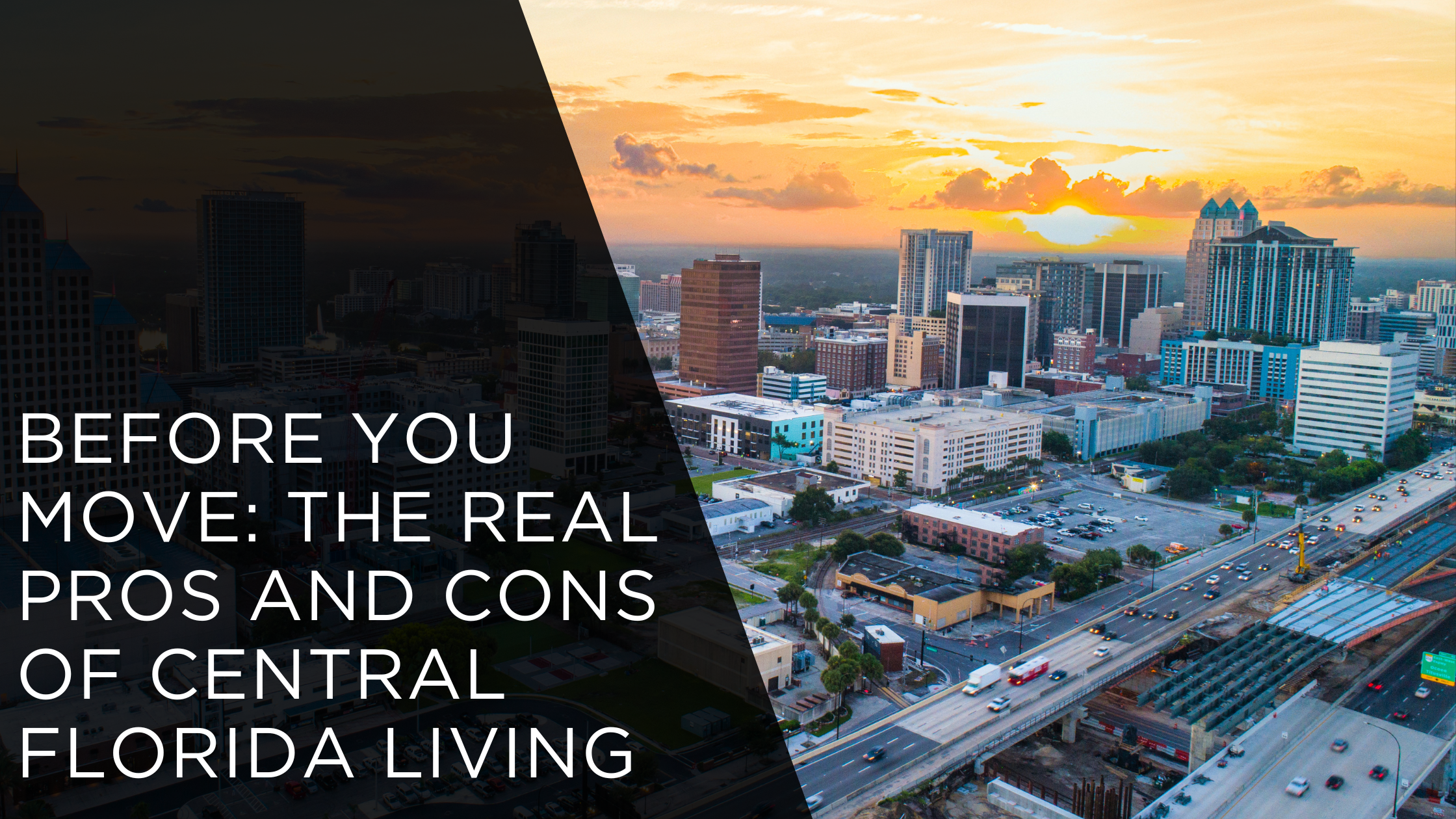
Before You Move: The Real Pros and Cons of Central Florida Living
Thinking about making the move to Central Florida? With year-round sunshine, world-class entertainment, and a lifestyle built for those who dare to think BIG, it’s no surprise this region continues to attract dreamers and doers alike. From vibrant city living to peaceful suburban communities, Central Florida offers endless possibilities, along with a few important considerations. Before you take the leap, here’s a balanced look at the real pros and cons of life in the Sunshine State and how the Be Infinite Group can help you navigate every step of the journey.
Thinking about moving to Central Florida? Whether you’re dreaming of palm-lined streets, year-round sunshine, or being minutes from world-class entertainment, Central Florida has a magnetic pull unlike anywhere else. It’s a region built for dreamers, doers, and those who want to think BIG about the life they’re creating.
At the heart of that journey, the Be Infinite Group stands as a resource, guide, and partner, helping individuals and families find homes that reflect their boldest visions. If you’re exploring what life could look like in the Sunshine State, here’s a comprehensive look at the pros and cons of living in Central Florida.
The Pros of Living in Central Florida
1. Sunshine, Warm Weather & Outdoor Living
If year-round warmth is your love language, Central Florida delivers. With mild winters and more than 230 days of sunshine a year, it’s the perfect place for outdoor adventurers, families, and those seeking a relaxed, sunny lifestyle. From lakeside paddleboarding to backyard barbecues in January, the weather alone can feel like an upgrade to your everyday life.
2. A Lifestyle Filled With Entertainment & Attractions
Central Florida is home to some of the world’s top attractions: Walt Disney World, Universal Orlando, SeaWorld, and more. But beyond the theme parks are cultural gems, festivals, art districts, and incredible dining experiences. Whether you’re looking for family fun or vibrant nightlife, there’s always something happening.
3. Diverse Communities & Housing Options
From bustling Orlando neighborhoods to peaceful suburban enclaves like Winter Garden, Lake Nona, and Clermont, Central Florida offers lifestyle options for every personality. This is where the Be Infinite Group shines, guiding homebuyers to communities that match their goals, needs, and long-term vision.
Whether you’re searching for your forever home or an investment opportunity, this Central Florida real estate team helps you explore options that push past limitations and empower you to Think BIG!
4. A Growing Job Market
The Central Florida economy is booming, with strong opportunities in healthcare, technology, hospitality, education, engineering, and construction. Orlando has consistently ranked as one of the fastest-growing metro areas in the country, attracting both young professionals and entrepreneurs ready to plant roots.
5. No State Income Tax
Florida’s tax benefits are a major draw, especially for working professionals, retirees, and investors looking to maximize their financial potential. Lower taxes + affordable living = more freedom to build the lifestyle you imagine.
The Cons of Living in Central Florida
1. Heat & Humidity
For some, the warmth is a dream. For others… it’s a bit much. Summers can be especially hot and humid, making air conditioning your best friend. The trade-off? Incredible winters.
2. Seasonal Tourism & Traffic
Living near top attractions means dealing with seasonal crowds and heavier traffic in peak times. The good news? Locals know the shortcuts, and many neighborhoods remain quiet and community-focused away from the busy corridors.
3. Home Insurance Can Be Higher
Because Florida is prone to hurricanes and severe storms, insurance rates can be higher than average. This is where having a knowledgeable real estate professional makes all the difference, guiding you toward smart decisions and helping you navigate the complexities of Florida homeownership.
4. Rapid Growth in Certain Areas
As Central Florida continues to grow, some regions are experiencing fast development. While this brings new amenities, restaurants, and businesses, it can also lead to construction noise, busier streets, and evolving neighborhoods.
Is Central Florida Right for You?
Living in Central Florida is a choice that invites you to dream boldly. With its thriving economy, diverse communities, vibrant entertainment, and endless sunshine, it’s a destination for those ready to create a life filled with possibility.
And when you’re ready to take the next step, partnering with the Be Infinite Group gives you the confidence and clarity to make empowered decisions. They go beyond real estate, helping you unlock your potential, expand your vision, and embrace the “Think BIG” lifestyle with authenticity and purpose.
Ready to Think BIG About Your Move?
Whether you’re buying, selling, or exploring options in the Central Florida market, Be Infinite Group is here to guide you every step of the way. Our team combines innovation, local expertise, and heart, ensuring your real estate experience is as limitless as your dreams.
Be bold. Be limitless. Think BIG.

Top Renovations That Increase Home Value in Central Florida
Investing in the right home renovations can significantly boost both your lifestyle and your property’s value in Central Florida’s thriving housing market. From modern kitchen updates and spa-inspired bathrooms to expanded outdoor living spaces and energy-efficient upgrades, these improvements appeal to today’s buyers while standing up to Florida’s climate. By focusing on durability, style, and functionality, homeowners can enjoy their spaces now while ensuring a strong return in the future.
Investing in your home can be one of the most rewarding decisions you make, especially in Central Florida. With its warm climate, love for outdoor living, and growing housing market, choosing the right renovations not only enhances your everyday life but can also increase your home’s resale value. From our team of real estate experts at the Be Infinite Group, we’ve identified improvements that consistently stand out to buyers and homeowners alike, from updating kitchens and bathrooms to creating flexible, functional spaces.
Kitchen Upgrades
The kitchen remains one of the most impactful areas for renovation. Central Florida homeowners value open layouts that connect to living areas or outdoor spaces, energy-efficient appliances that reduce utility costs, and durable countertops such as quartz or granite that withstand heat and humidity. Even smaller updates, like refreshed cabinetry, modern hardware, or a stylish backsplash, can significantly elevate the overall appeal and value of a home.
Bathroom Renovations
Bathrooms are another space where upgrades offer strong returns. Today’s buyers often seek spa-like retreats in their homes. Walk-in showers with frameless glass, rainfall showerheads, double vanities, and ample storage not only improve daily living but also enhance the home’s perceived value. Moisture-resistant materials, such as porcelain tile and sealed grout, are especially important in Florida’s humid climate.
Outdoor Living Enhancements
Outdoor living is a major priority in Central Florida. Expanding patios, lanais, or installing outdoor kitchens can significantly enhance lifestyle and curb appeal. Screened-in lanais, durable outdoor flooring, and native landscaping allow homeowners to enjoy the outdoors year-round. Exterior upgrades such as a new front door, garage door, or fresh paint also improve first impressions and overall property value.
Energy Efficiency & Climate Resilience
As buyers become more eco-conscious, energy-efficient and climate-resilient upgrades are increasingly important. Impact-resistant windows and doors, efficient HVAC systems, and solar panels demonstrate that a home is built to withstand Florida’s climate while keeping utility costs manageable. Smart thermostats, proper insulation, and other preventative upgrades also improve comfort and long-term sustainability.
Flexible & Multipurpose Spaces
Modern homeowners value adaptable spaces that can evolve with their lifestyle. Home offices, guest rooms, or bonus spaces that double as gyms or playrooms make homes more versatile. Built-in storage, organized entryways, and flexible layouts help families maximize their square footage while maintaining a clutter-free environment, an appealing feature for potential buyers.
In Conclusion,
When it comes to renovations in Central Florida, the key is to choose projects that balance durability, style, and long-term value. From refreshed kitchens and spa-inspired bathrooms to expanded outdoor living and energy-efficient upgrades, the right improvements make homes more enjoyable while appealing to prospective buyers. The team at the Be Infinite Group can help you prioritize which renovations make the most sense for your property and neighborhood, ensuring you get the best return on your investment.
Whether you plan to stay in your home for years or are preparing to sell, strategic renovations can elevate your lifestyle and protect your investment. Contact the Be Infinite Group today to explore the best renovation strategies for your Central Florida home.

Fastest-Growing Neighborhoods in Central Florida: Where to Live, Invest, and Thrive
Looking for the fastest-growing neighborhoods in Central Florida? Whether you’re buying your first home, upgrading, or investing, knowing where growth is happening is key. Communities like Horizon West, Lake Nona, College Park, Lake Butler Sound, and Densan Park are attracting buyers and investors alike with top-rated schools, modern amenities, luxury living, and strong resale potential.
Partnering with a knowledgeable Orlando realtor from Be Infinite Group ensures you get expert guidance in these dynamic neighborhoods—helping you find your dream home or next smart investment.
If you’re working with an Orlando realtor or just exploring the Central Florida housing market, one question always comes up: Which neighborhoods are actually growing the fastest? Whether you’re buying your first home, looking for a luxury upgrade, or investing in real estate, knowing where growth is happening is key to making smart moves.
At Be Infinite Group, we go beyond traditional real estate. Our team of Central Florida experts helps clients unlock their potential, think BIG, and turn bold visions into reality. By combining local market knowledge with a personalized approach, we guide you through every step, whether that’s finding your forever home or investing in the next hot community.
Here’s a look at five of the fastest-growing neighborhoods in Central Florida, complete with what makes each unique and why they’re attracting buyers and investors alike.
1. Horizon West (Winter Garden, Florida)
Horizon West is a master-planned community just west of Orlando that has become a magnet for growing families. With top-rated schools, abundant parks, and convenient access to shopping and dining, it’s perfect for buyers looking for suburban tranquility paired with modern amenities.
Investors are also taking notice! Disney’s nearby projects and the substantial resale value make Horizon West an excellent choice for long-term growth. If you’re working with an Orlando realtor, this area is often at the top of the list for both buyers and investors.
2. Lake Nona (Lake Nona, Florida)
Lake Nona is more than just a neighborhood; it’s a lifestyle destination. Known for its focus on health, education, and technology, the community attracts professionals in the medical and tech fields. Amenities like the USTA National Campus and the Lake Nona Town Center make it a hub for both activity and innovation.
Homes in Lake Nona are selling quickly, and with its strategic location near Orlando International Airport and major highways, it’s a prime spot for anyone thinking about both living and investing in Central Florida real estate.
3. College Park (Orlando, Florida)
College Park is a charming, established neighborhood just north of downtown Orlando. Known for its tree-lined streets, boutique shopping, and lively dining scene, it offers a small-town feel while still being close to the city’s heart.
This neighborhood is seeing increased interest from buyers who value character, walkability, and a strong community essence. A knowledgeable Orlando realtor from Be Infinite Group can help you navigate this competitive market and find the perfect home in College Park.
4. Lake Butler Sound (Southwest Orlando, Florida)
Lake Butler Sound is a luxurious, gated community featuring lakefront estates, scenic views, and access to recreational amenities like golf courses and walking trails. Residents enjoy privacy and upscale living while being just minutes from Windermere and the greater Orlando area.
Lake Butler Sound's combination of serenity and convenience makes it a standout for families and professionals seeking a high-quality lifestyle in Central Florida.
5. Densan Park (Oxford, Florida)
Densan Park is a hidden gem in Oxford, FL, located just minutes from The Villages and about an hour from Orlando. It’s a family-friendly community with modern homes, quality finishes, and thoughtfully designed layouts.
Residents enjoy tennis courts, basketball and volleyball courts, a children’s playground, a dog park, and fitness trails, perfect for an active, community-focused lifestyle. With homes starting around $385k, Densan Park offers an affordable entry into a fast-growing area without sacrificing quality or amenities.
In Conclusion,
Central Florida’s real estate market is booming, and neighborhoods like Horizon West, Lake Nona, College Park, Lake Butler Sound, and Densan Park are leading the way. Whether you’re looking for family-friendly amenities, luxury living, or investment opportunities, these communities offer something for everyone.
Partnering with a trusted Orlando realtor from the Be Infinite Group ensures you have expert guidance at every step. Our team blends local market knowledge with a client-first approach, helping you make smart, confident decisions in these dynamic neighborhoods. Ready to explore the fastest-growing neighborhoods in Central Florida? Contact the Be Infinite Group today, and let our knowledgeable team help you find your dream home or next great investment. Be bold, be limitless, and think BIG!

Why Orlando Is One of the Hottest Cities for Real Estate Investment
Orlando is booming, and it’s not just because of the theme parks. With rapid population growth, a thriving job market, and strong rental demand, the city has become one of the hottest markets for real estate investment. From short-term vacation rentals to long-term properties in fast-growing neighborhoods like Lake Nona and Horizon West, Orlando offers opportunities for investors at every level.
Partnering with the Be Infinite Group gives you expert guidance to navigate this competitive market and make smart, confident moves.
If you’re exploring Central Florida real estate or working with an Orlando realtor, you’ve probably noticed something: Orlando is booming! From vacation destinations to growing suburbs, the city has become one of the country's hottest markets for real estate investment. Whether you’re a seasoned investor or considering your first property purchase, there are several reasons why Orlando offers incredible opportunities. The Be Infinite Group has rounded up the top five ways it’s a must-invest city!
1. Theme Parks and Tourist Attractions Drive Demand
Orlando is world-famous for its theme parks, including Walt Disney World, Universal Studios, and SeaWorld. These attractions bring millions of visitors annually, creating a steady demand for short-term rental properties and vacation homes. Investors can capitalize on this tourism-driven market by offering rental properties in prime locations, generating consistent income year-round.
2. Strong Rental Market and Investment Properties
The Orlando rental market is thriving. With a growing population and influx of young professionals, families, and seasonal workers, rental demand is high across both long-term and short-term properties. Condos, single-family homes, and townhomes in neighborhoods near major employers or attractions often provide excellent returns on investment. For investors, Orlando offers opportunities to build a diverse portfolio with short-term vacation and long-term rental units.
3. Rapid Population Growth
Central Florida is experiencing significant population growth, with Orlando at the center of this expansion. More people moving to the area translates to higher demand for housing, schools, and services, boosting property values. Communities like Horizon West, Lake Nona, and Windermere are growing quickly, making them attractive for both buyers and investors seeking neighborhoods with strong appreciation potential.
4. Thriving Job Market and Economic Growth
Orlando’s economy is diverse, including tourism, healthcare, technology, and entertainment sectors. The city has attracted major employers and startups, creating jobs and drawing professionals to the area. A thriving local economy supports steady rental demand and property appreciation, making Orlando a stable and profitable market for real estate investment.
5. Lifestyle, Amenities, and Entertainment
Orlando isn’t just about work; it’s about lifestyle. The city offers world-class dining, shopping, golf courses, parks, and cultural attractions. Residents enjoy suburban communities with easy access to the downtown area and nearby attractions. This combination of convenience and lifestyle makes Orlando a highly desirable place to live, keeping home values and rental demand strong.
6. Opportunities for Appreciation
Many areas in and around Orlando are still experiencing growth in property values. Neighborhoods like College Park, Densan Park, and Lake Butler Sound are seeing increased interest from buyers and investors alike. Investing in these up-and-coming neighborhoods now can provide excellent returns as demand continues to rise.
In Conclusion,
Orlando’s unique combination of tourist attractions, strong rental markets, population growth, economic opportunity, and lifestyle appeal makes it one of the hottest cities for real estate investment. Whether you’re seeking vacation rentals, long-term rental properties, or homes with strong appreciation potential, Orlando offers opportunities for investors at every level.
Partnering with an experienced Orlando realtor from the Be Infinite Group ensures you make smart, informed decisions in this competitive market. Our team of Central Florida real estate experts provides guidance, market insights, and a personalized approach to help you find the right investment property and maximize your returns.
Ready to invest in Orlando real estate? Contact the Be Infinite Group today and start turning your investment goals into reality. Be bold. Be limitless. Think BIG!